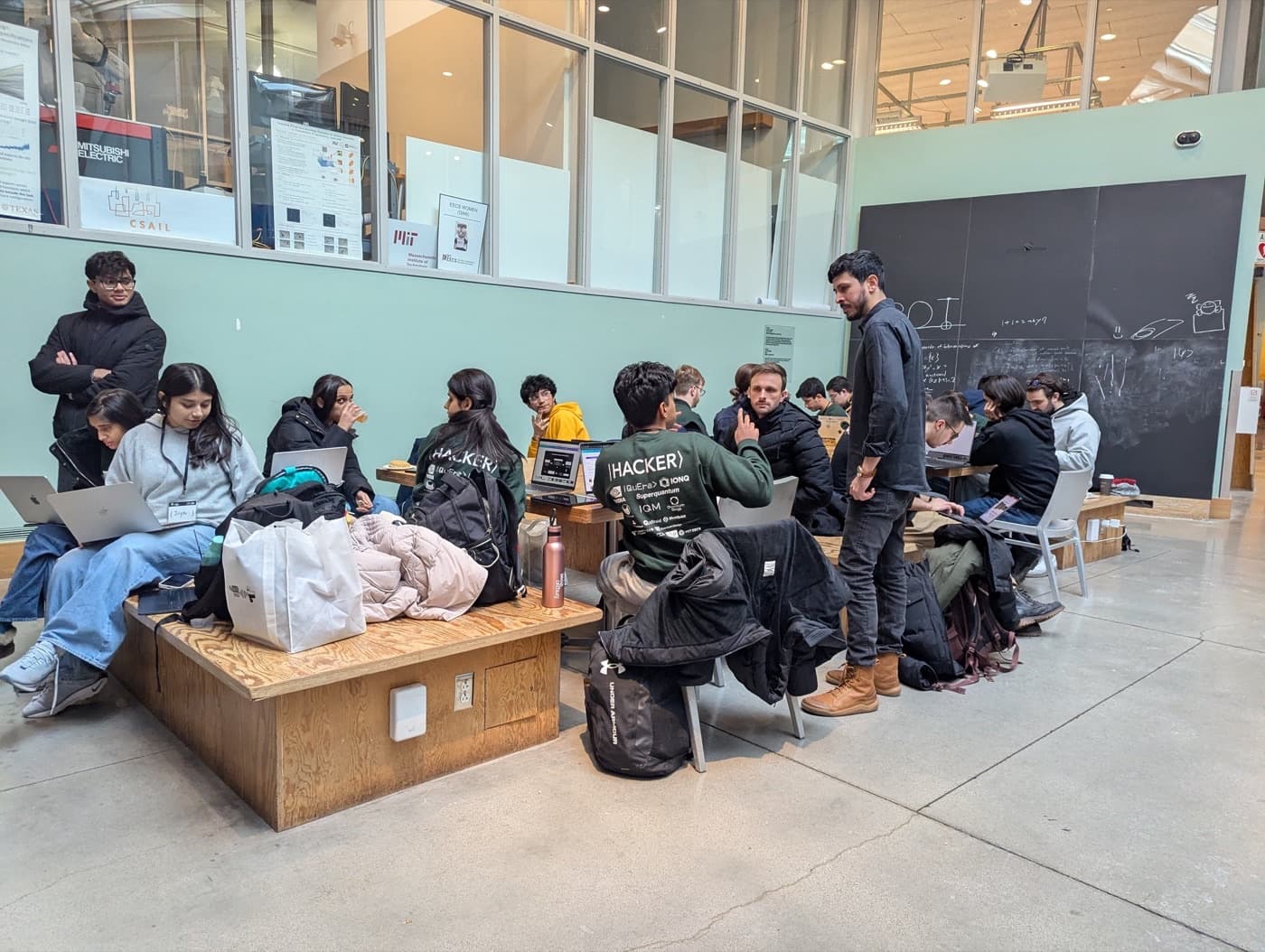
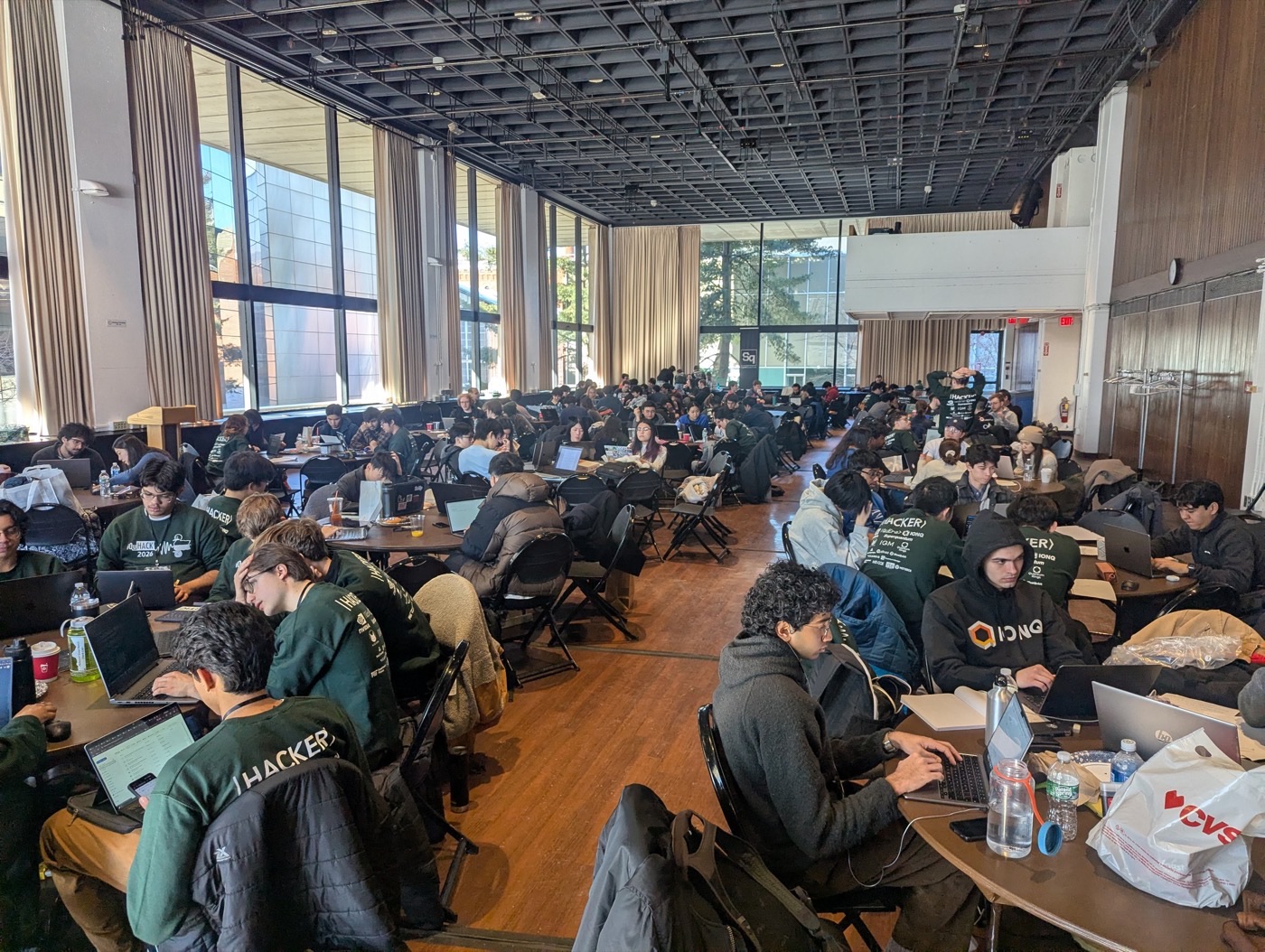
This past weekend, MIT iQuHACK brought together a global community of builders, researchers, and students to collaborate, experiment, and push the boundaries of quantum computing.
As a proud sponsor, Quantum Rings was excited to be on the ground for this year’s event, with CEO Bob Wold and Rob Wamsley attending in person. Throughout the weekend, they worked closely with participants, offering technical guidance, answering challenging questions, and seeing firsthand the creativity, determination, and collaboration that defined the event.
The Quantum Rings Challenge: Where Machine Learning Meets Quantum
The Quantum Rings Challenge invited teams to tackle a core challenge in quantum circuit execution: predicting runtime and fidelity using only the circuit itself and a small set of parameters. The task pushed participants to think critically about circuit structure, performance bottlenecks, and how machine learning techniques can bridge gaps in today’s tooling.
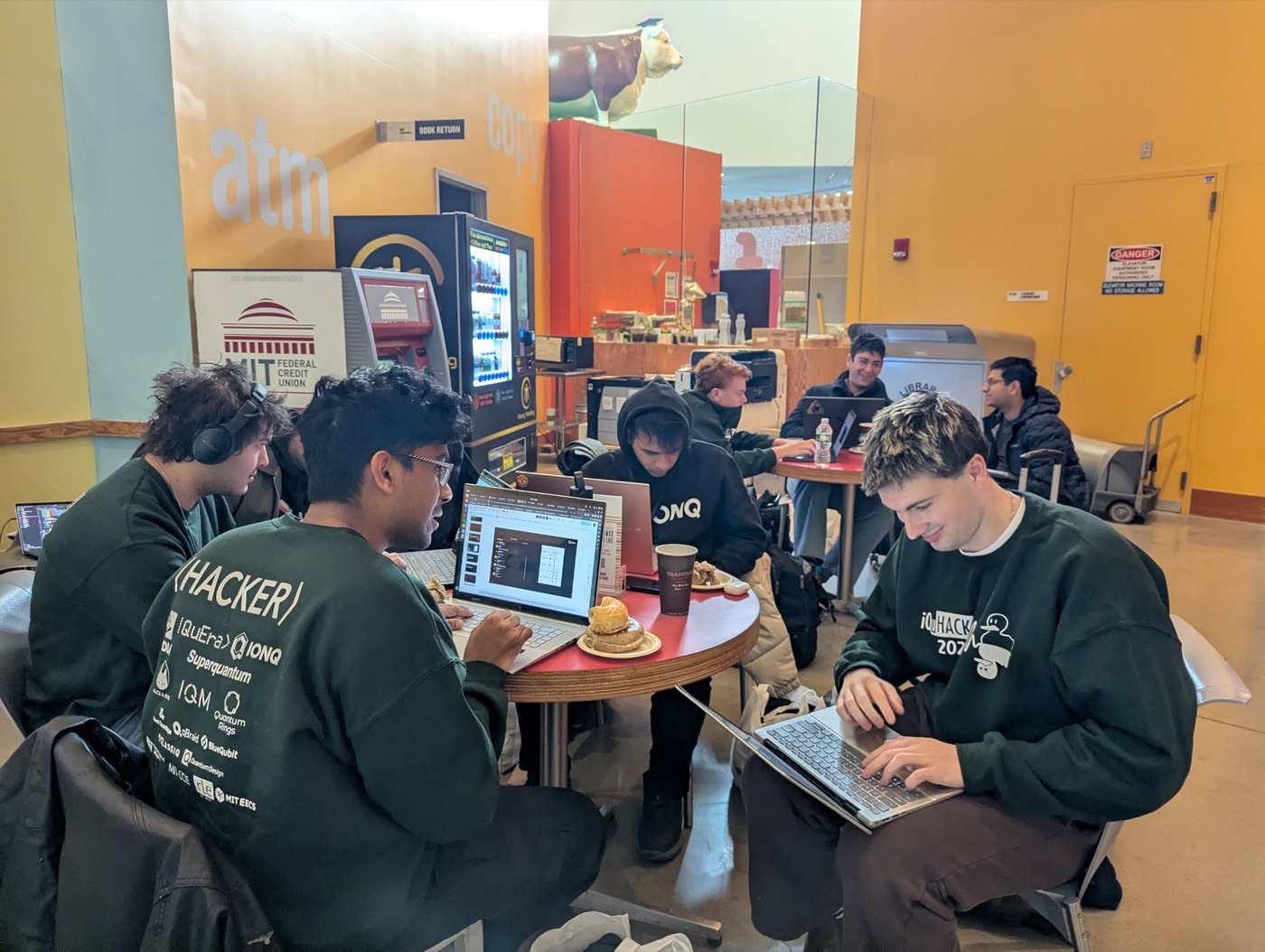
Teams spent long hours testing ideas, refining approaches, and finding creative solutions to the roadblocks they encountered. The ingenuity and problem-solving on display highlighted not only the rapid progress of the field, but also the depth of talent emerging within the quantum community.
At its core, the challenge addressed a key bottleneck on the Open Quantum platform. By developing new ways to predict runtime and fidelity, these teams helped move us closer to a future where quantum simulators can be integrated into Open Quantum.
Innovation Fueled by Collaboration
After an intense weekend of hacking, Spirit Sprinters emerged as the winners for their novel and comprehensive solution. What stood out most was their drive to continue iterating and improving even after meeting the challenge standards. Congratulations to Hayden Miller, Woody Hulse, Caden Schroeder, Rohan Pankaj, and Patrick Jennings on an outstanding achievement.
Beyond the technical results, what stood out most was the collaborative spirit of iQuHACK. Participants consistently supported one another through debugging sessions, optimization hurdles, and knowledge-sharing—an essential dynamic in a field as interdisciplinary and demanding as quantum computing.
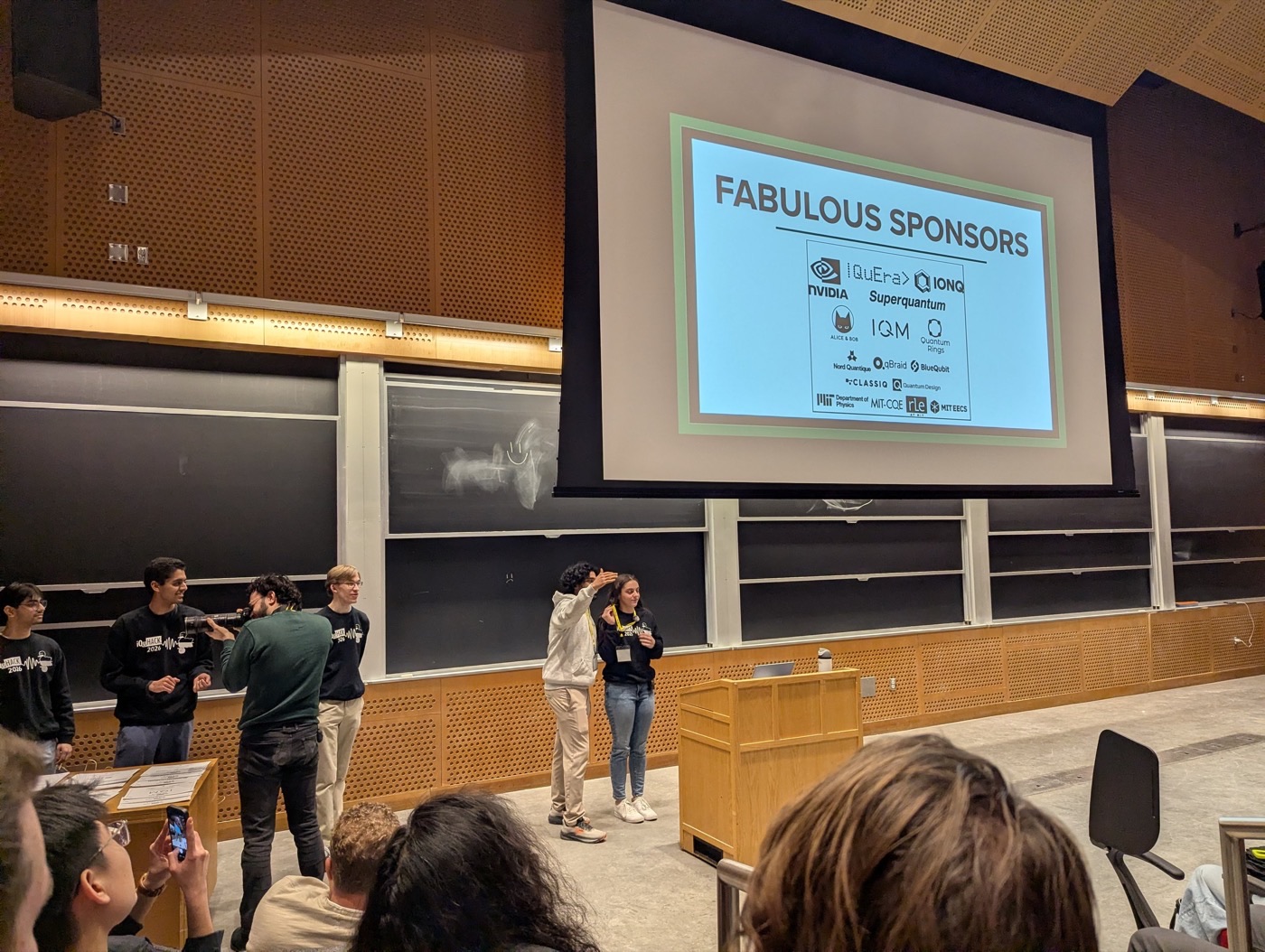
We’d like to thank the MIT iQuHACK organizing committee and the broader quantum community for making this event such a success. At Quantum Rings, we’re proud to support initiatives that empower the next generation of quantum innovators and help advance the field as a whole.
See you next year at iQuHACK 2027!
Stay Updated
SDK updates, webinars, and quantum industry news — straight to your inbox.