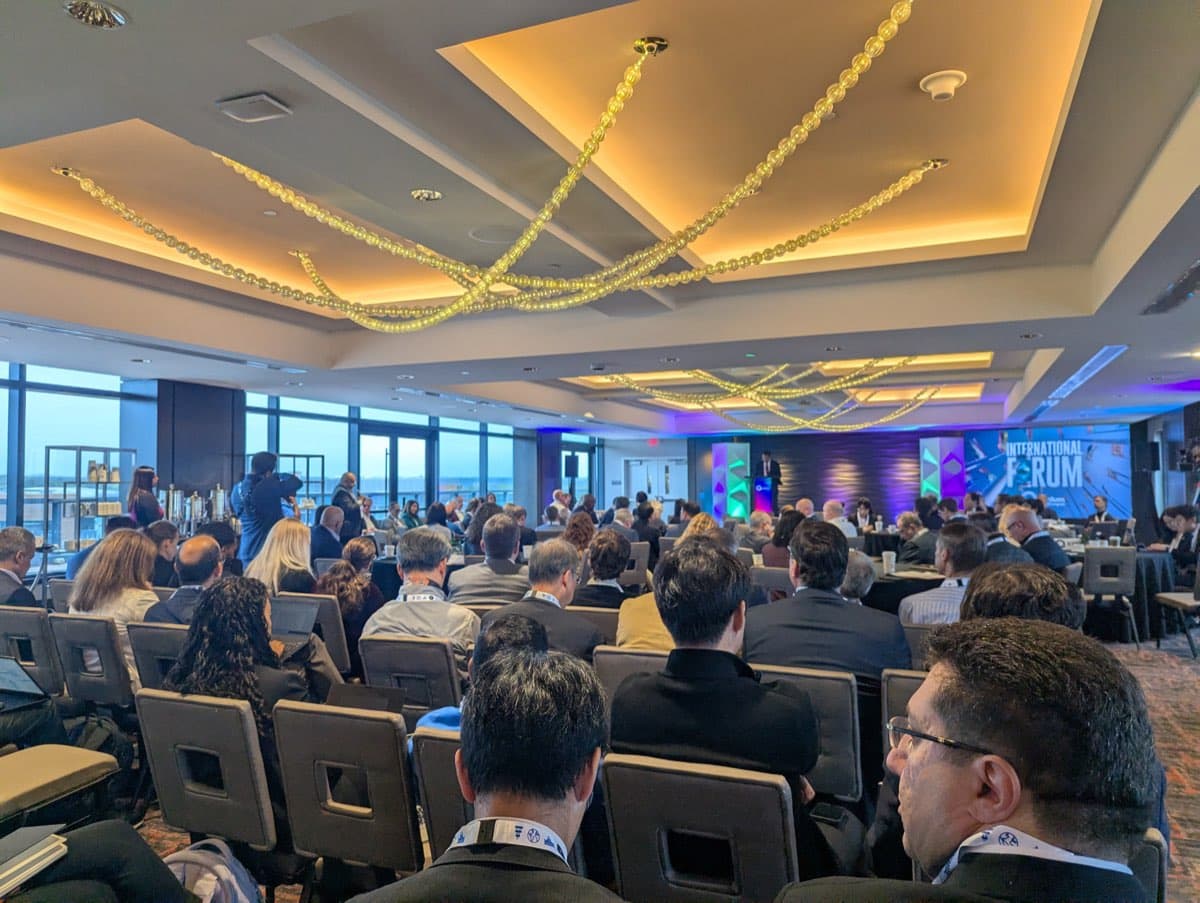
That's a wrap on Quantum World Congress 2026!
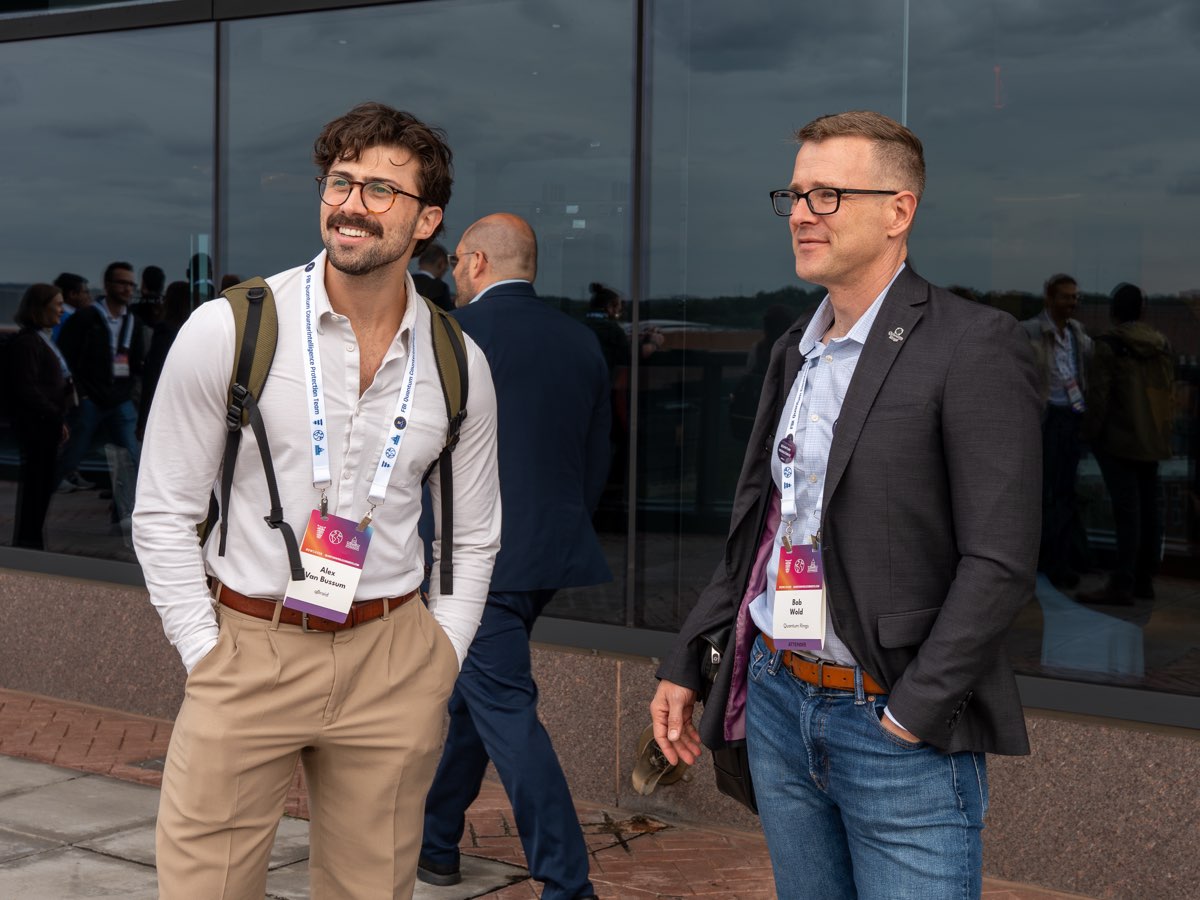
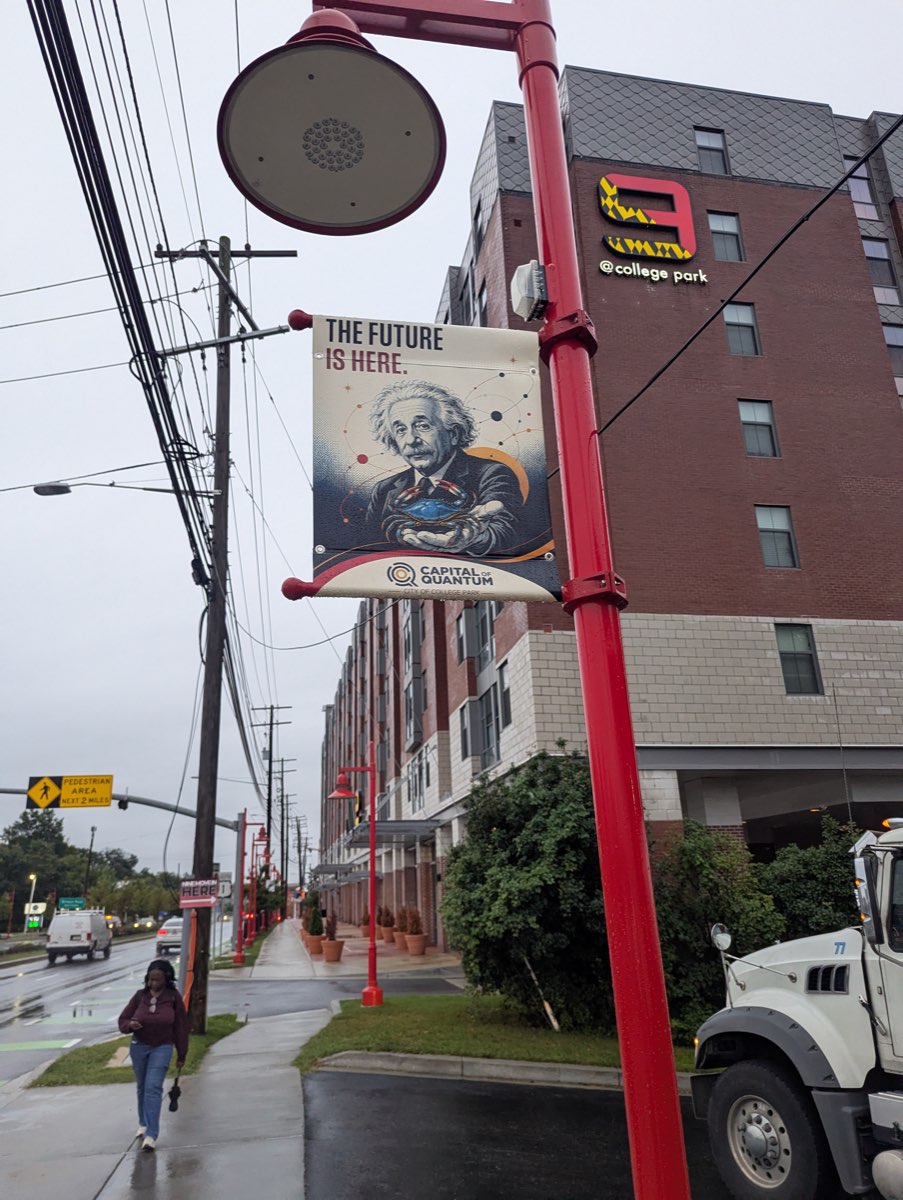
From September 23–25, Quantum World Congress brought the global quantum community to the University of Maryland in College Park — just outside Washington, D.C. — for three days of conversations across industry, academia, and government. Quantum Rings CEO Bob Wold was on the ground representing the team, and came home with a few observations worth sharing.
Roadmaps Are Moving In
The most striking shift this year: quantum computing companies are getting more aggressive with their roadmaps. That's unusual for an industry with a reputation for extending time horizons, and two forces seem to be driving it.
First, capital. Between government grants, DARPA's Quantum Benchmarking Initiative, and a wave of IPOs, an enormous amount of money has been infused into the industry — and the industry is responding.
Second, a culture change. Many quantum computing companies come from backgrounds in science, where progress comes through experimentation and invention. Today they increasingly operate in a world of engineering, where roadmaps carry real predictability — and where schedules can often be collapsed through good planning and project management.
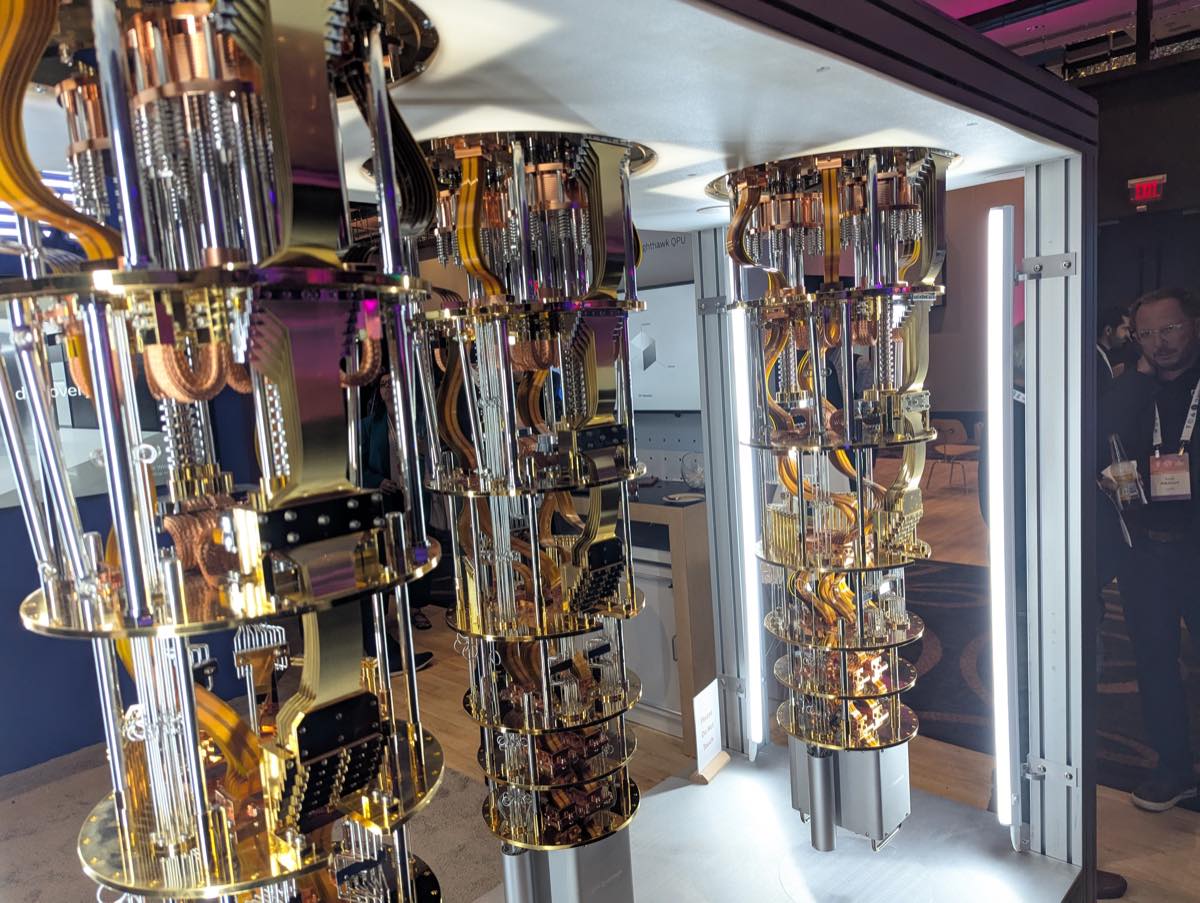
The net effect is that timelines are moving in, not out — and you can see it in the concrete announcements. IonQ has sold its first sixth-generation, chip-based 256-qubit system and is moving into full system-level testing. QuEra's roadmap calls for 100 logical qubits on more than 10,000 physical qubits this year. And Atom Computing and Microsoft are delivering Magne, a 50-logical-qubit error-corrected system, targeted for late this year. Across the industry, substantial error correction and very low-error computation are squarely in view.
Optimists, Realists, and the Software Gap
If you're an optimist, you hear all of this and conclude that quantum computing will be here in no time. If you're more of a realist, you notice that the emerging narrative — that quantum is now "just an engineering task" — glosses over substantial milestones still to be overcome, including places where real science remains to be done.
But optimist or realist, one truth holds either way: these systems are going to need software that runs on them, and that gap is still largely unfulfilled. It's the gap we work on every day at Quantum Rings, and this year's conversations only sharpened our conviction about where the field needs tooling most.
Investors in the Room
One more observation: there were far more traditional VC investors in the room than in years past. It wouldn't be an exaggeration to say that the investors outnumbered the startups available to invest in. For a field this young, that's a remarkable signal.
Familiar Faces
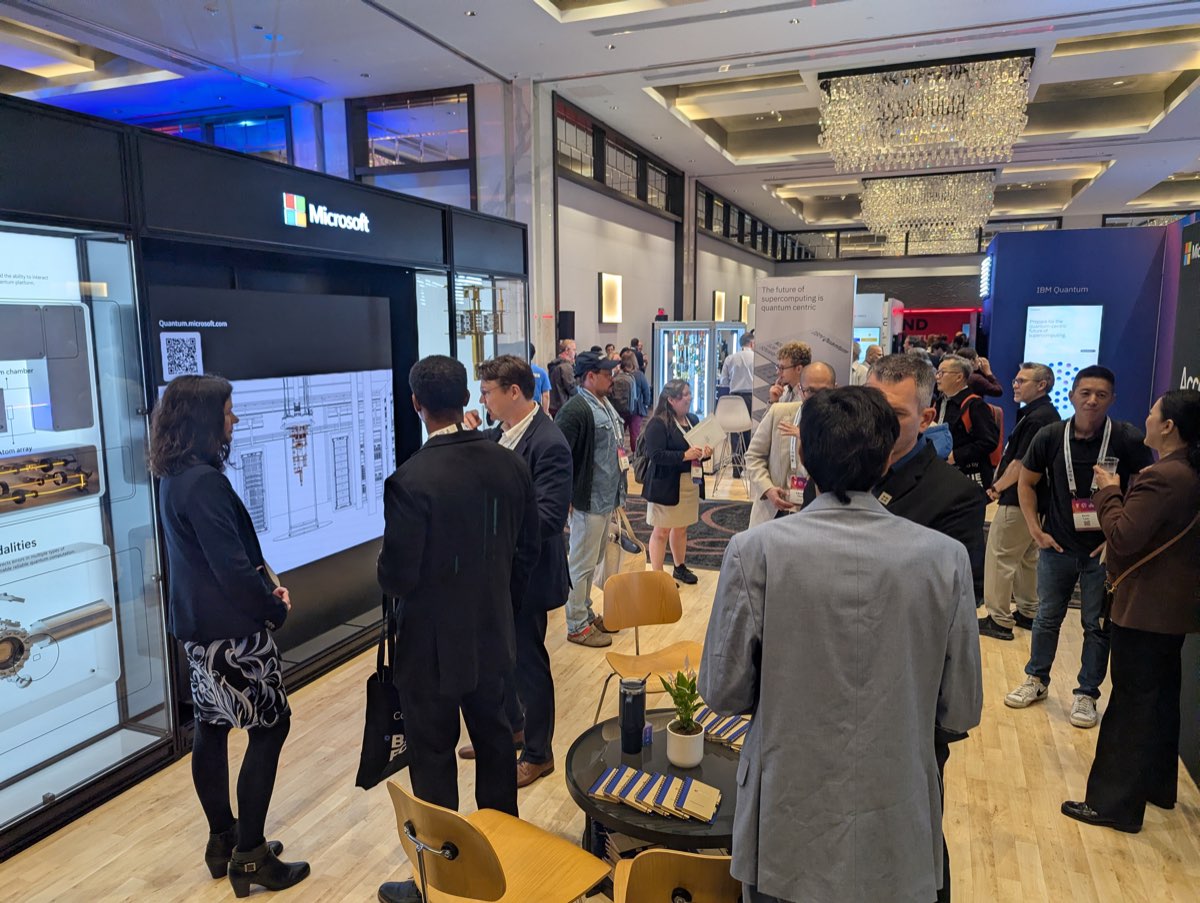
It was great to see so many familiar faces and teams from across the quantum community, including IonQ, IBM, Microsoft, Quantinuum, Atom Computing, Classiq, D-Wave, Infleqtion, and many more.
A huge thanks to the Quantum World Congress team for bringing everyone together for another incredible event. We're looking forward to continuing these conversations — and seeing what comes next!
Stay Updated
SDK updates, webinars, and quantum industry news — straight to your inbox.