Category
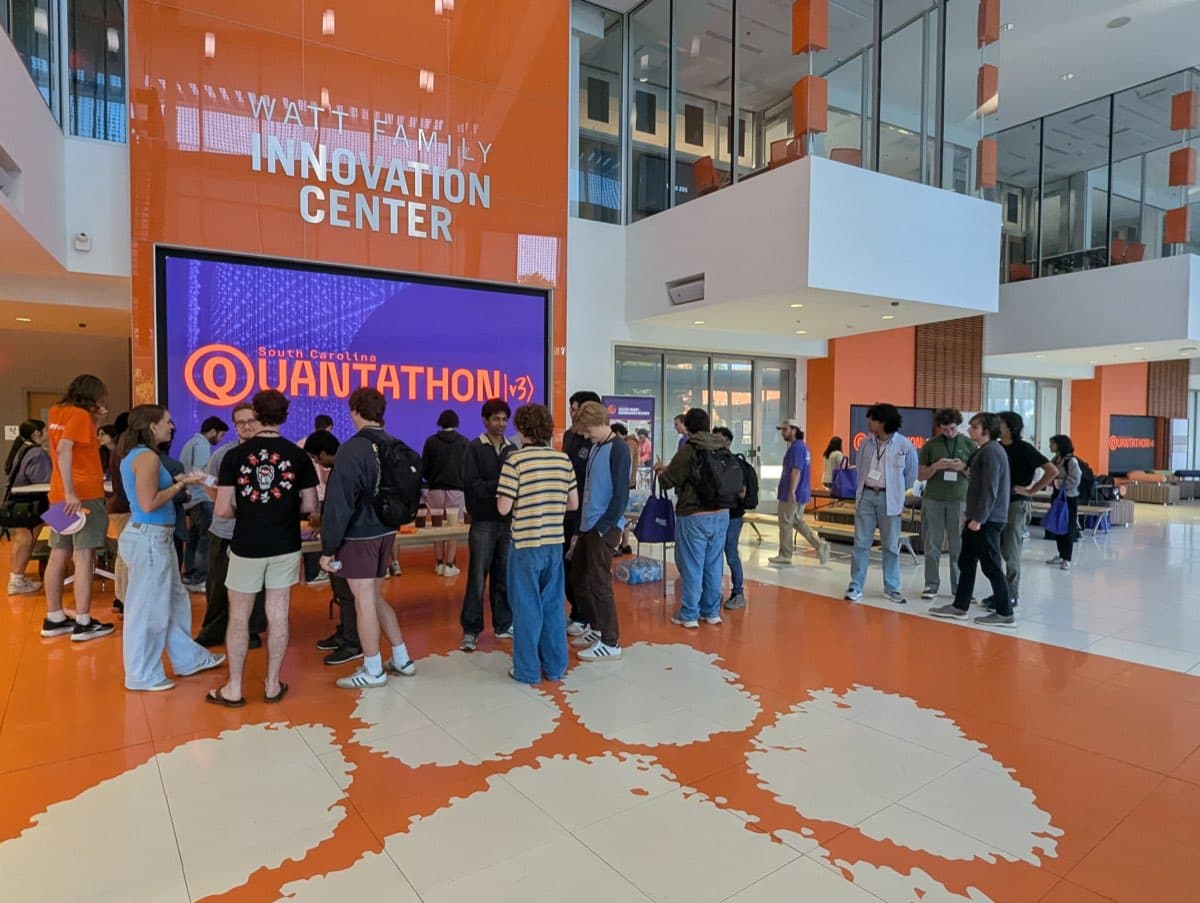
Quantum Rings sponsored SC Quantathon v3 at Clemson University, challenging student hackers to build machine learning models that predict quantum circuit runtimes on our simulator — without ever executing the circuits.
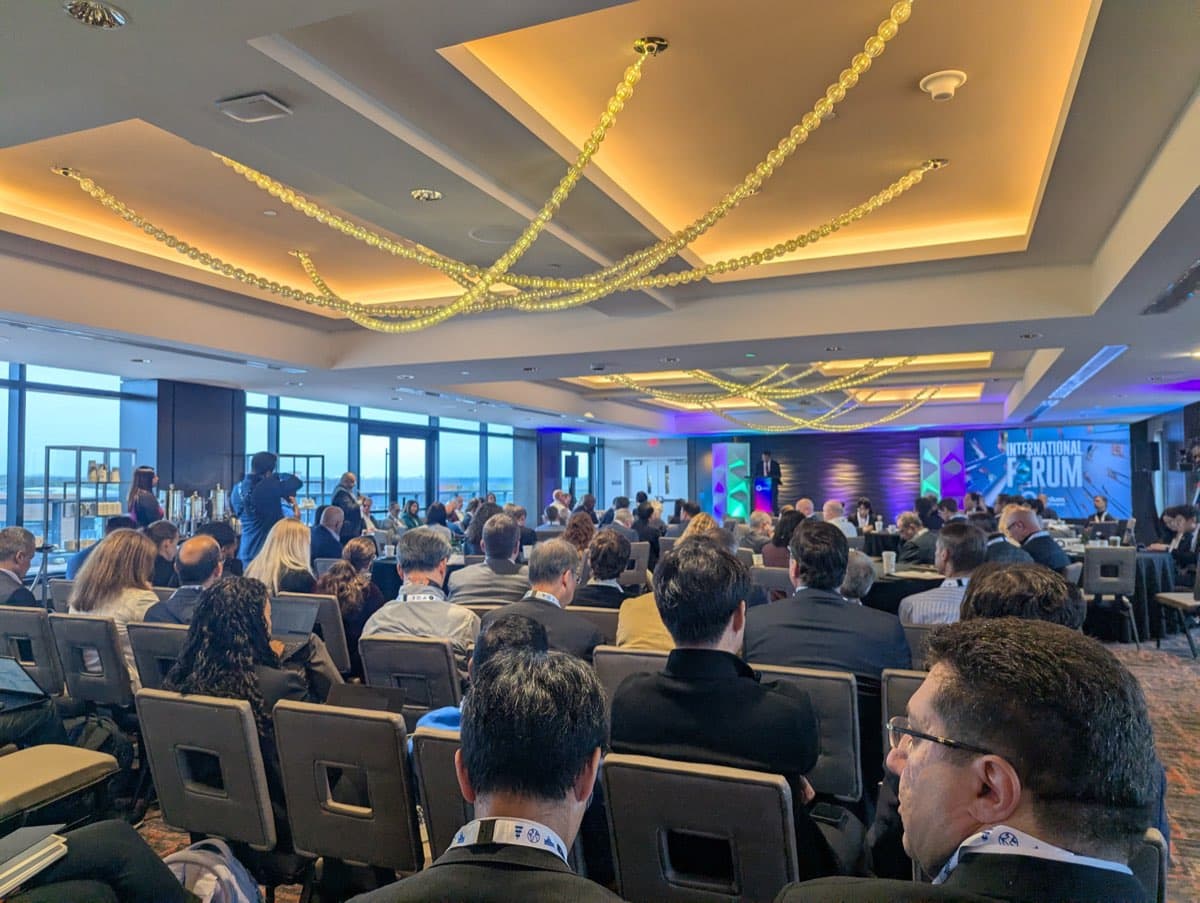
Roadmaps are accelerating, capital is pouring in, and the investors may have outnumbered the startups — field notes from Quantum World Congress 2026 at the University of Maryland.
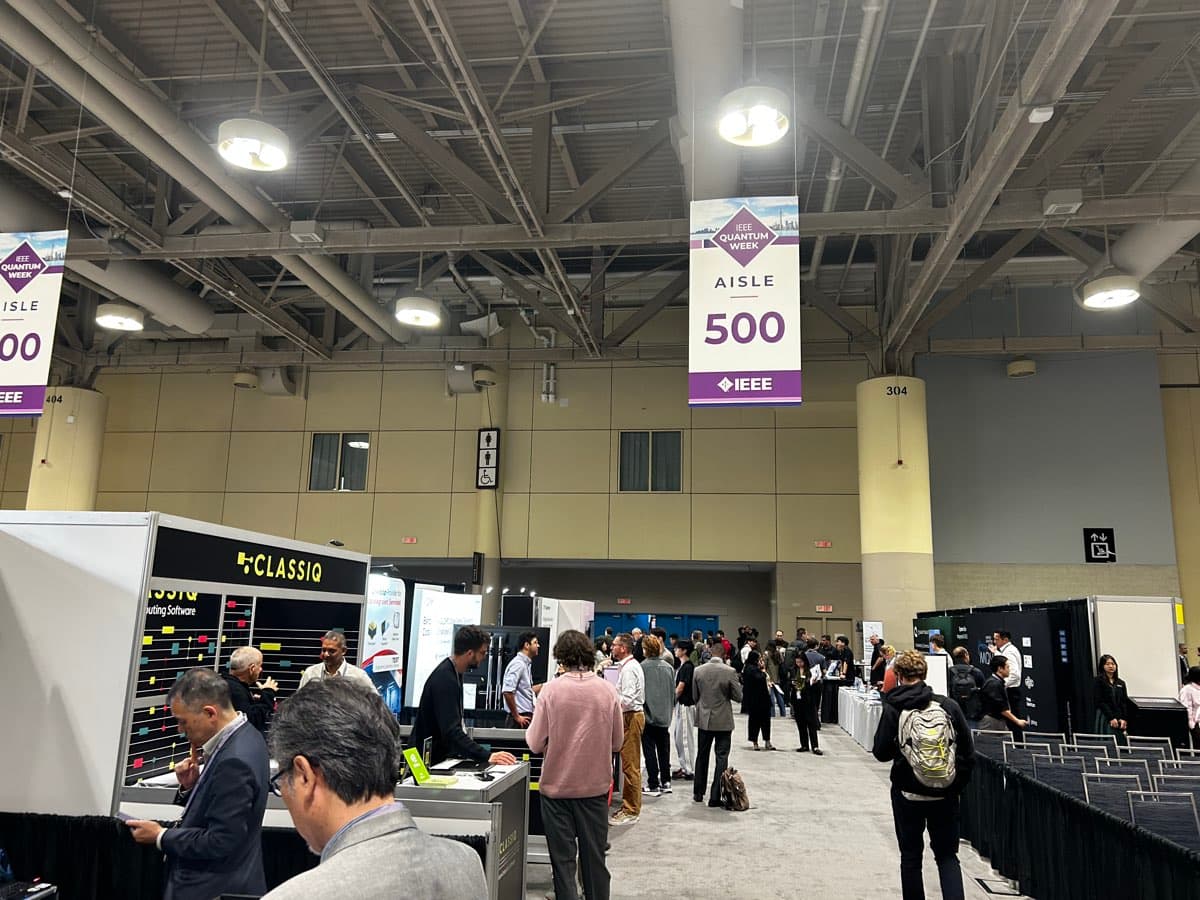
Quantum Rings spent the week in Toronto at IEEE Quantum Week 2026, connecting with the researchers, industry leaders, and builders shaping the future of quantum computing from our booth on the exhibit floor.
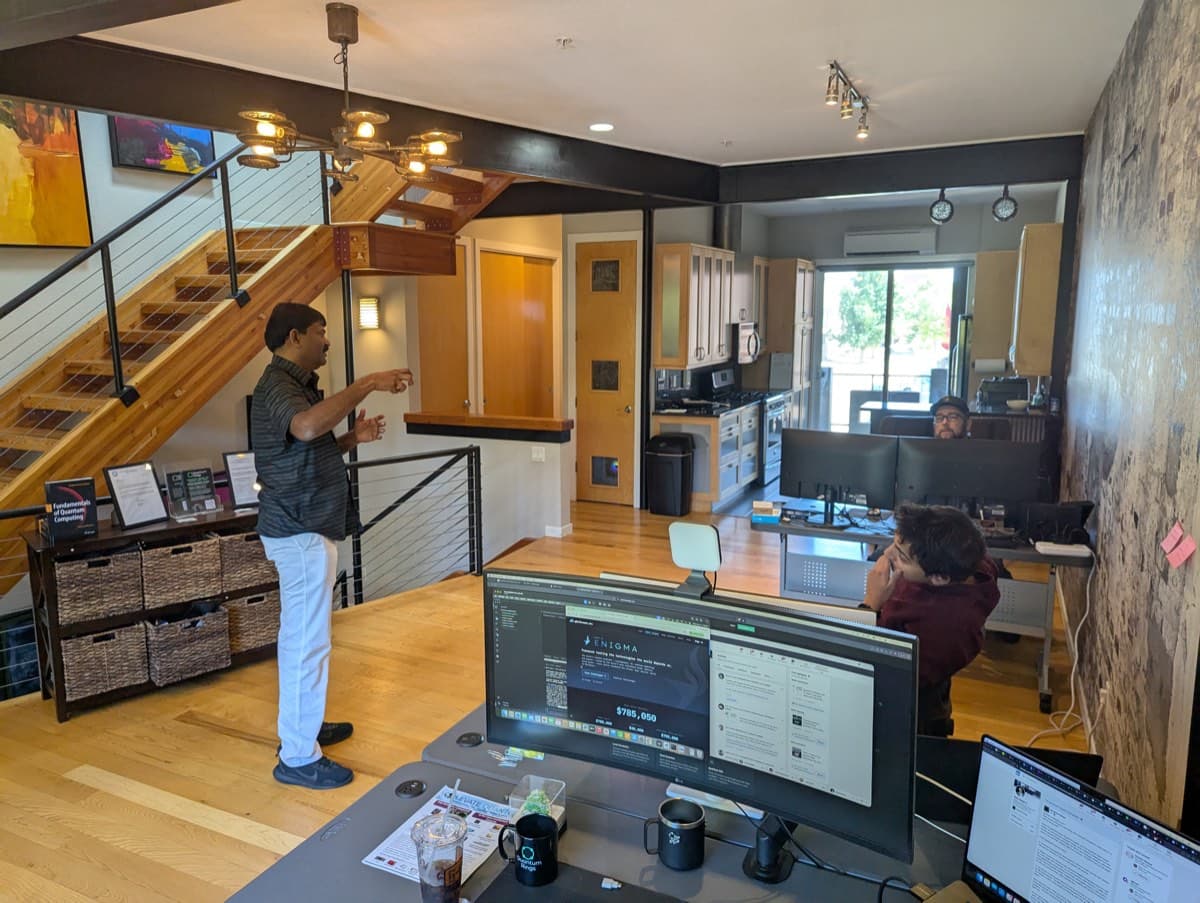
We've graduated from the Colorado Quantum Incubator and moved into our own office in Westminster, Colorado. Come take a look around — and if you're in the area, come say hi.
The inaugural edition of our seasonal report measures real quantum computing usage from the submitted circuits themselves, across six QPUs from four hardware vendors. Among the findings: the frontier of real usage jumped nearly five-fold in a single season, and the two-minute quantum queue is real.
Last week, the team attended Quantum.Tech World in Boston, MA — one of the premier quantum conferences in the U.S. As sponsors, Quantum Rings had a booth — and the lanyards — connecting with students, researchers, and industry leaders from across the industry.
PennyLane support is now available on Open Quantum! By pip-installing openquantum-sdk-pennylane, you can seamlessly integrate Open Quantum into your existing PennyLane workflows and start running on real QPUs from providers like IonQ, Rigetti, IQM, and AQT in seconds.
We are excited to announce that Rigetti's Cepheus-1-108Q quantum processor is now live on the Open Quantum platform. This 108-qubit superconducting system is the latest addition to our rapidly expanding quantum hardware ecosystem, and it's available to run on today.
Open Quantum is now offering quantum hardware access at half the retail price!
SDK updates, webinars, and quantum industry news — straight to your inbox.